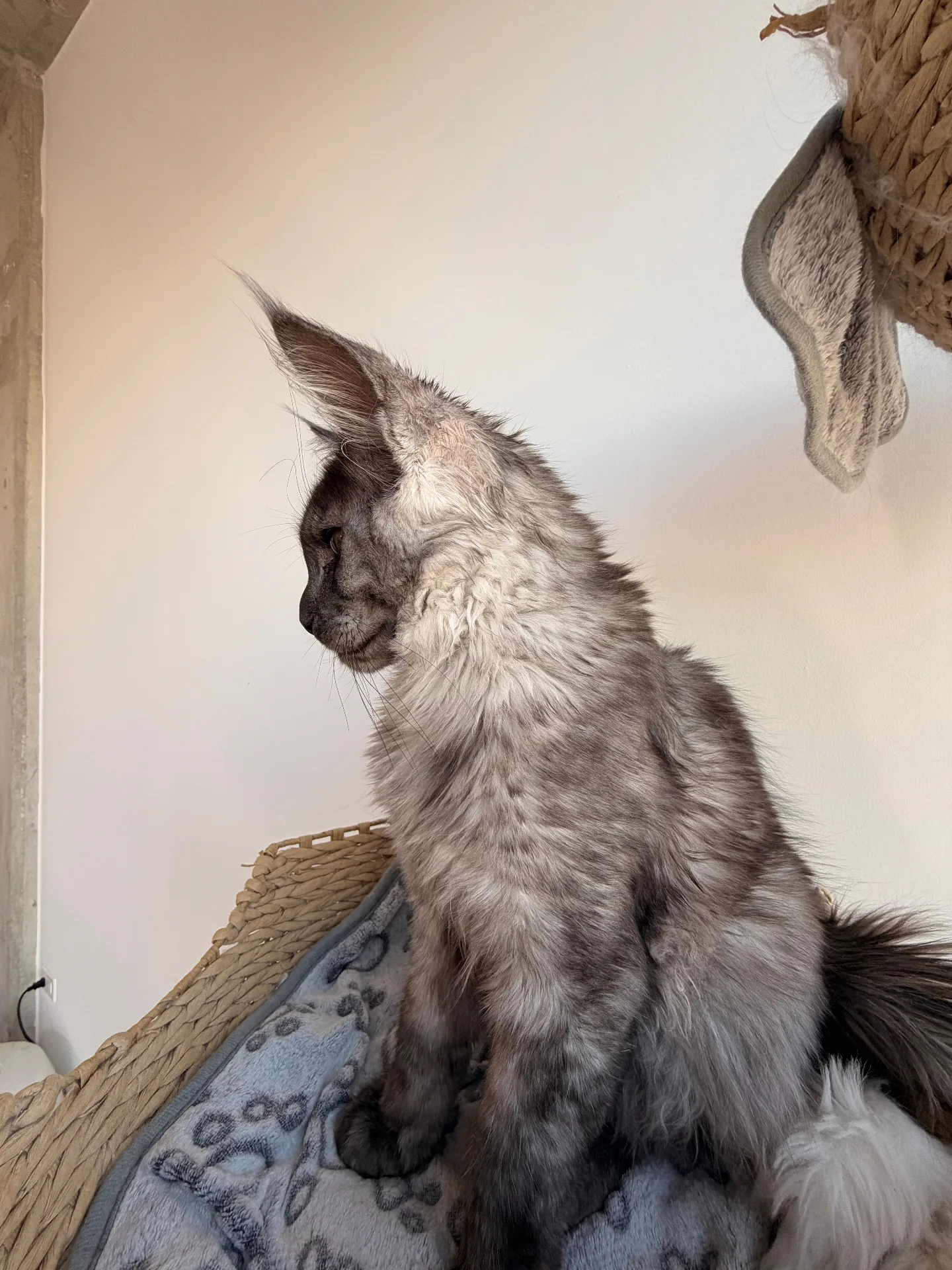
I tell every family the same thing: schedule your first vet visit within 72 hours of bringing your kitten home. Not because anything is wrong — but because establishing a vet relationship immediately gives you a baseline, completes any remaining vaccinations, and gives you a professional partner for the next 15+ years. That 72-hour window is also when most breeder health guarantees require a veterinary confirmation exam.
Choosing the Right Vet
Not all vets have experience with Maine Coons or pedigreed cats in general. You want a vet who understands breed-specific concerns — HCM screening timelines, growth rates that differ from domestic shorthairs, and the nutritional needs of a cat that will reach 20+ pounds. Ask before your kitten arrives:
- Do you have experience with Maine Coons or large-breed cats?
- Do you have relationships with board-certified cardiologists for HCM screening referrals?
- What's your approach to vaccine protocols — do you follow AAFP guidelines?
- What are your emergency/after-hours protocols?
A "cat-only" or feline-focused practice is ideal if one is available in your area. Cats behave differently in vet settings when they're not surrounded by barking dogs in the waiting room. In the Chicago area, I can recommend several feline-friendly practices — just ask.
What to Bring
📋 First Vet Visit Packing List
- Health packet — vaccination dates, deworming schedule, genetic testing results, my vet's contact info
- TICA registration papers — establishes your cat's documented pedigree
- Your contract — some vets like to see the health guarantee terms
- A fresh fecal sample — collected within 12 hours of the visit, in a sealed bag
- The kitten in a secure carrier — not your arms, not a cardboard box, a proper carrier
- A list of questions — you'll forget them in the moment otherwise
- A towel or blanket from home — familiar scent reduces stress
What Your Vet Will Check
The first visit is a comprehensive wellness exam — a full nose-to-tail evaluation that establishes your kitten's baseline health:
Heart: Listening with a stethoscope for murmurs, arrhythmias, or abnormal sounds. Not all murmurs indicate HCM — some kittens have innocent "flow murmurs" that resolve. But any murmur should be documented and monitored. If your vet hears a murmur, request a referral to a board-certified cardiologist for an echocardiogram. Don't panic — investigate.
Lungs: Clear breath sounds bilaterally. Upper respiratory infections from transport stress are possible, though uncommon in well-socialized kittens.
Eyes and ears: Checking for discharge, cloudiness, or signs of infection. Maine Coons' large ears with thick furnishings can trap debris — your vet will check for ear mites and excess wax.
Mouth and teeth: Checking for retained baby teeth, bite alignment, and early signs of gingivitis. Maine Coons should have a correct bite — if your vet notes malocclusion, notify me.
Skin and coat: Looking for signs of ringworm, fleas, or coat quality issues. A healthy Maine Coon kitten should have a soft, slightly silky coat without bald patches or scaling.
Abdomen: Palpating for organ abnormalities, hernias, or masses. Checking for intact reproductive organs if spay/neuter hasn't been performed yet.
Weight: Your kitten's weight at this visit becomes the baseline for tracking healthy growth. Maine Coons gain 1-2 pounds per month during their first year. I'll ask for periodic weight updates — it's how I monitor my kittens' development even after they've left.
Vaccinations & Next Steps
Your vet will review what vaccinations your kitten has already received (from the health packet) and schedule any remaining doses. Typically, Chatlerie kittens need one more FVRCP booster and their rabies vaccine. Your vet will also discuss:
| Topic | What to Discuss | Typical Timeline |
|---|---|---|
| Remaining vaccines | FVRCP #3, Rabies, FeLV if not completed | 14-16 weeks |
| Spay/neuter | Timing, pre-surgical requirements | 5-6 months |
| Flea/tick prevention | Monthly topical or oral preventative | Start now |
| HCM screening | First echocardiogram referral | Age 1-2 years |
| Dental baseline | Document current oral health | This visit |
| Microchip | Verify and register (if already chipped by breeder) | This visit |
Questions to Ask Your Vet
Print this list. You won't remember it all when you're sitting in the exam room with a nervous kitten:
- Are you experienced with Maine Coons or large-breed cats?
- When do you recommend spay/neuter for this breed specifically?
- What food do you recommend for a growing Maine Coon?
- When should we schedule the first HCM screening echocardiogram?
- What flea/tick prevention do you recommend for cats?
- What's your after-hours emergency protocol?
- Do you have a relationship with a board-certified cardiologist?
- What's included in your kitten wellness package?
What to Expect Cost-Wise
A first vet visit typically costs $150-$350, depending on your area and what's included. This usually covers the exam fee ($50-$100), any remaining vaccines ($25-$50 each), fecal test ($25-$50), and possibly a deworming dose. Some vet practices offer "new kitten packages" that bundle multiple visits — worth asking about.
Start budgeting for pet insurance before or immediately after this first visit. Most policies have a waiting period of 14-30 days, so the sooner you enroll, the sooner your kitten is covered. Pre-existing conditions are excluded, so get insurance before problems are documented, not after.
Your vet is your most important partner after me. I raise the kitten for the first 12-16 weeks. Your vet helps you care for them for the next 15 years. Choose wisely — and don't be afraid to switch if the relationship isn't right.
After the Visit: What I Need from You
I ask every family to send me a brief summary after the first vet visit — any findings, kitten's weight, and whether the vet noted anything of concern. This isn't nosiness; it's quality assurance. If a vet hears a murmur, I need to know. If a kitten is underweight, I need to know. I keep records on every kitten I produce for the lifetime of the cat. Your first vet visit report becomes part of that permanent record.