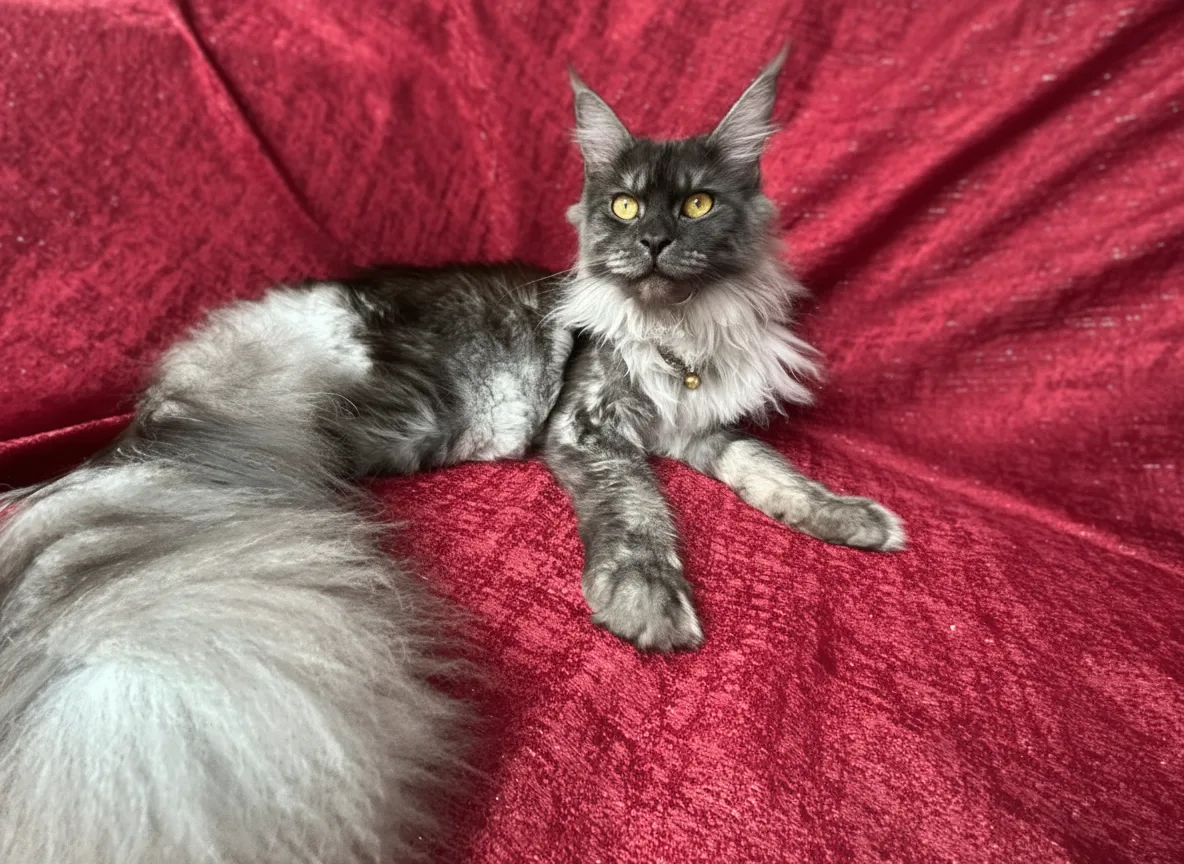
Cat shows look intimidating from the outside — rows of immaculate cats, serious judges, and breeders who seem to speak their own language. But they're more accessible than you think, and attending one is one of the best ways to learn about Maine Coons, meet reputable breeders in person, and see the breed standard come to life. Whether you're curious about showing your own cat or just want to attend as a spectator, here's everything you need to know.
Understanding Cat Registries
Cat shows are organized by breed registries — organizations that maintain pedigree records and breed standards. The two major registries in the United States are:
| Registry | Full Name | Focus | Show Style |
|---|---|---|---|
| TICA | The International Cat Association | Genetic registry, accepts all cats | More relaxed, judges talk to exhibitors |
| CFA | Cat Fanciers' Association | Oldest registry, traditional focus | More formal, larger shows |
| CCA | Canadian Cat Association | Canadian registry | Similar to CFA |
| ACFA | American Cat Fanciers Association | Smaller registry | More intimate shows |
I primarily show in TICA because I appreciate their genetic focus and more relaxed atmosphere. TICA judges often explain what they're looking for while handling cats — it's educational for spectators and exhibitors alike.
How Cat Shows Work
A typical cat show runs Saturday and Sunday, with judging happening in multiple rings throughout the day. Each ring has a different judge who evaluates cats independently.
The Show Layout
- Benching area: Where cats rest in decorated cages between judging. Exhibitors set up elaborate cage decorations — it's part of the show culture.
- Judging rings: 4-10 separate rings, each with a different judge. Cats are called to rings via number announcements.
- Vendor area: Pet supplies, cat-themed merchandise, and sometimes breed-specific items.
- Spectator areas: Usually just behind the judging rings where you can watch without disturbing.
Competition Categories
Cats compete within categories:
| Category | Who Competes | Notes |
|---|---|---|
| Championship | Intact adults (8+ months) | Breeding cats, highest competition |
| Alter | Spayed/neutered adults | Pet-quality cats can compete |
| Kitten | 4-8 months old | Great entry point for showing |
| Household Pet | Non-pedigreed cats | Anyone can enter! Judged on condition and personality |
If you have a pet-quality Maine Coon (purchased as a pet, spayed/neutered), you can absolutely show in the Alter category. Many pet owners enjoy this — it's a fun way to participate without breeding.
The Judging Process
When your cat's number is called:
- You bring your cat to the holding cages in the judging ring
- The judge takes each cat to their table one at a time
- They evaluate structure, coat, condition, and temperament
- Cats are ranked and ribbons awarded
- You retrieve your cat and return to the benching area
Each judge scores independently, so a cat might place first under one judge and third under another. Points accumulate throughout the season toward titles like Champion, Grand Champion, Regional Winner, or Supreme Grand Champion.
What Judges Look for in Maine Coons
Judges evaluate cats against the breed standard — a detailed description of the "ideal" Maine Coon. Different registries have slightly different standards, but the key elements are consistent:
Head & Expression
- Shape: Broad, slightly longer than wide, with a strong square muzzle
- Cheekbones: High and prominent
- Profile: Gentle concave curve from forehead to nose bridge
- Chin: Strong, in line with nose and upper lip
- Expression: Sweet, open, alert
Ears
- Size: Large, wide at base, tapering to pointed tips
- Placement: Set high, approximately one ear-width apart
- Lynx tips: Tufts extending beyond ear tips (desirable, not required)
- Furnishings: Hair inside ears extending horizontally beyond ear edge
Body
- Size: Large, substantial — males 15-25+ lbs, females 10-15 lbs at maturity
- Shape: Long, rectangular body with broad chest
- Bone: Substantial, medium-width legs proportional to body
- Tail: At least as long as body, wide at base, flowing plume
Coat
- Texture: Silky, with body, falling smoothly
- Length: Uneven — shorter on shoulders, longer on stomach and britches
- Ruff: Frontal ruff (mane) around neck, desirable
- Condition: Clean, healthy, well-groomed
Temperament
This matters more than many people realize. A cat that panics, hisses, or scratches the judge won't place well regardless of structure. Show cats need to be:
- Calm under stress
- Handleable by strangers
- Alert and engaged, not terrified
- Confident without being aggressive
This is why early socialization is so important — a well-socialized Maine Coon takes showing in stride.
I met some of my favorite breeders at TICA shows. The showing community is smaller and more collaborative than most people expect. Attending a show is how the Maine Coon journey starts for many families.
Attending as a Spectator
Most TICA and CFA shows are open to the public. It's the best way to see Maine Coons in person and understand the breed at a deeper level.
Finding Shows
- TICA: tica.org/events
- CFA: cfa.org/shows
- Search for shows in your region by date
- Admission is typically $5-$15
Show Etiquette
Do
- Watch quietly from designated spectator areas
- Ask before touching any cat (exhibitors will usually invite you)
- Ask questions between judging rings — breeders love talking about their cats
- Take photos without flash
- Visit the benching area (when permitted) to see cage decorations
Don't
- Touch cats without permission
- Use flash photography
- Make loud noises that could startle show cats
- Block exhibitors trying to reach judging rings
- Bring dogs to cat shows (usually prohibited)
- Touch cats if you've touched another cat recently (disease transmission)
What You'll Learn
Attending shows taught me more about Maine Coons than any book or website. You'll see:
- The incredible size variation in the breed
- Different coat colors and patterns up close
- The difference between European and American type
- How well-socialized cats behave under handling
- What "show quality" actually means
It's also the best opportunity to meet breeders in person. I've made connections at shows that led to incredible breeding partnerships. And many families who later adopted from me first saw Maine Coons at a show.
Showing Your Own Maine Coon
Interested in competing? Here's how to start:
Is Your Cat Show Quality?
Talk to your breeder first. They can evaluate whether your cat has show potential and in which category. Not every Maine Coon is show quality — and that's okay. Pet-quality cats are just as loving; they simply don't meet the competitive standard.
If you have a pet-quality cat that's been spayed/neutered, you can still show in the Alter category. If you have a registered purebred, this is a great option.
Getting Started
- Register your cat with the relevant registry (TICA, CFA, etc.)
- Attend a few shows as a spectator to understand the process
- Groom practice: Get your cat accustomed to bathing, blow-drying, and handling
- Enter a local show: Start with a small local show rather than a regional championship
- Connect with experienced exhibitors: Most breeders are happy to mentor newcomers
Show Preparation
One Week Before
- Bathe and fully dry your cat (coat should have a few days to recover)
- Trim nails
- Check ears and clean if needed
- Ensure all vaccinations are current (required for entry)
- Confirm registration and entry
Day Before
- Pack carrier, cage decorations, and supplies
- Pack food, water, bowls, litter, and litter box
- Pack grooming supplies for touch-ups
- Get good sleep — shows start early!
At the Show
- Arrive early to set up your benching cage
- Listen for your number to be called to judging rings
- Stay calm — your cat reads your energy
- Accept feedback graciously (winning isn't everything)
- Network! The cat show community is welcoming to newcomers
The Cost of Showing
Showing isn't free. Expect these costs:
| Expense | Approximate Cost |
|---|---|
| Show entry fee | $45-$100 per show |
| Registration | $15-$50 one-time |
| Cage decoration | $50-$200+ (reusable) |
| Grooming supplies | $50-$150 |
| Travel & hotel | Varies by location |
| Professional grooming (optional) | $50-$100 per show |
Competitive showing with travel can cost $2,000-$5,000+ annually. Many exhibitors view it as a hobby investment, like golf or competitive sports. The community and experience are worth it to those who love it.
Key Takeaways
- Cat shows are open to the public — attend one to see Maine Coons in person
- TICA and CFA are the major registries with different judging styles
- Cats compete in categories: Championship, Alter, Kitten, Household Pet
- Judges evaluate structure, coat, and temperament against breed standard
- Even pet-quality spayed/neutered cats can show in Alter category
- Shows are a great way to meet breeders and learn about the breed