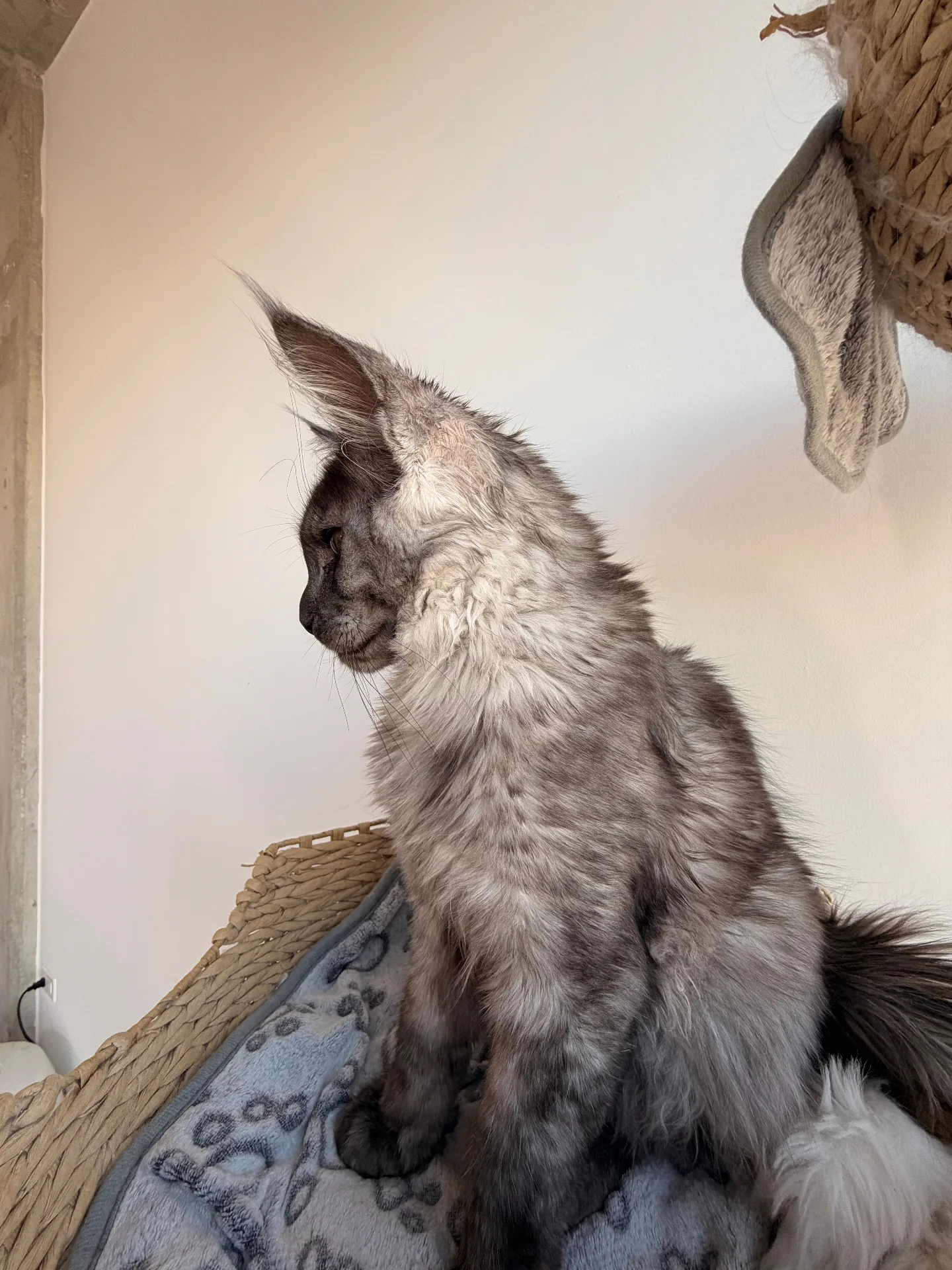
A breed designed for Maine winters living through an Illinois summer is like wearing a fur coat in July — which is essentially what your Maine Coon is doing. While they shed their heavy undercoat in spring, they're still carrying significantly more fur than most cats, and their large body mass generates more metabolic heat. Summer requires adjustments to keep them comfortable and safe.
Signs of Overheating
Heat Stress Warning Signs
- Panting — cats rarely pant; this is a red flag, not normal behavior
- Drooling when not near food
- Lethargy beyond normal summer laziness
- Bright red gums
- Rapid breathing while at rest
- Vomiting or stumbling — this is an emergency, cool the cat and go to the vet immediately
Keeping Cool
Air conditioning is not optional. If you live in a warm climate and have a Maine Coon, AC is a necessity, not a luxury. Keep indoor temperature at or below 78°F (25°C).
Cooling mats: Pressure-activated gel cooling mats are excellent. Place them in your cat's favorite resting spots. Most Maine Coons take to them immediately.
Frozen treats: Freeze low-sodium chicken broth in ice cube trays. Drop one in your cat's water bowl for a cooling, enticing treat that also encourages hydration.
Tile and stone: Notice how your cat gravitates to bathroom floors in summer? That's intentional — cool surfaces help them regulate body temperature. Don't block access to these areas.
Summer Coat Care
Spring shedding is the heaviest coat change of the year. Maine Coons blow their undercoat over 4–6 weeks, and the volume of fur is staggering. During this period, daily brushing is non-negotiable.
Should you shave a Maine Coon in summer? Generally, no. Their coat actually provides insulation from heat as well as cold, and protects against sunburn. However, a light "belly trim" or sanitary clip is reasonable if your cat is showing signs of heat discomfort.
Summer Coat Protocol
- Daily brushing during spring shedding season (4–6 weeks)
- Focus on undercoat removal with an undercoat rake
- Don't shave the coat — it provides sun protection
- A light belly trim is acceptable for comfort
- Keep an eye on mat development as loose fur tangles with the outer coat
Summer Hydration
Water intake should increase 20–30% in summer. Multiple water stations, running fountains, and increased wet food all help. Watch for concentrated (dark yellow) urine, which indicates dehydration.
Coco figured out how to turn on a bathroom faucet during one particularly hot July. Instead of fighting it, I installed a motion-activated faucet adapter. She gets fresh running water whenever she wants it, and my water bill didn't double.
Maine Coons are remarkably adaptable, but they didn't evolve for 95°F Illinois summers. A few simple accommodations keep them comfortable — and keep you from worrying.
Outdoor Safety in Summer
If your Maine Coon has catio access, limit outdoor time during peak heat hours (11am–4pm). Ensure the catio has shaded areas and fresh water. Check that metal surfaces (like wire mesh) aren't getting hot enough to burn paw pads.