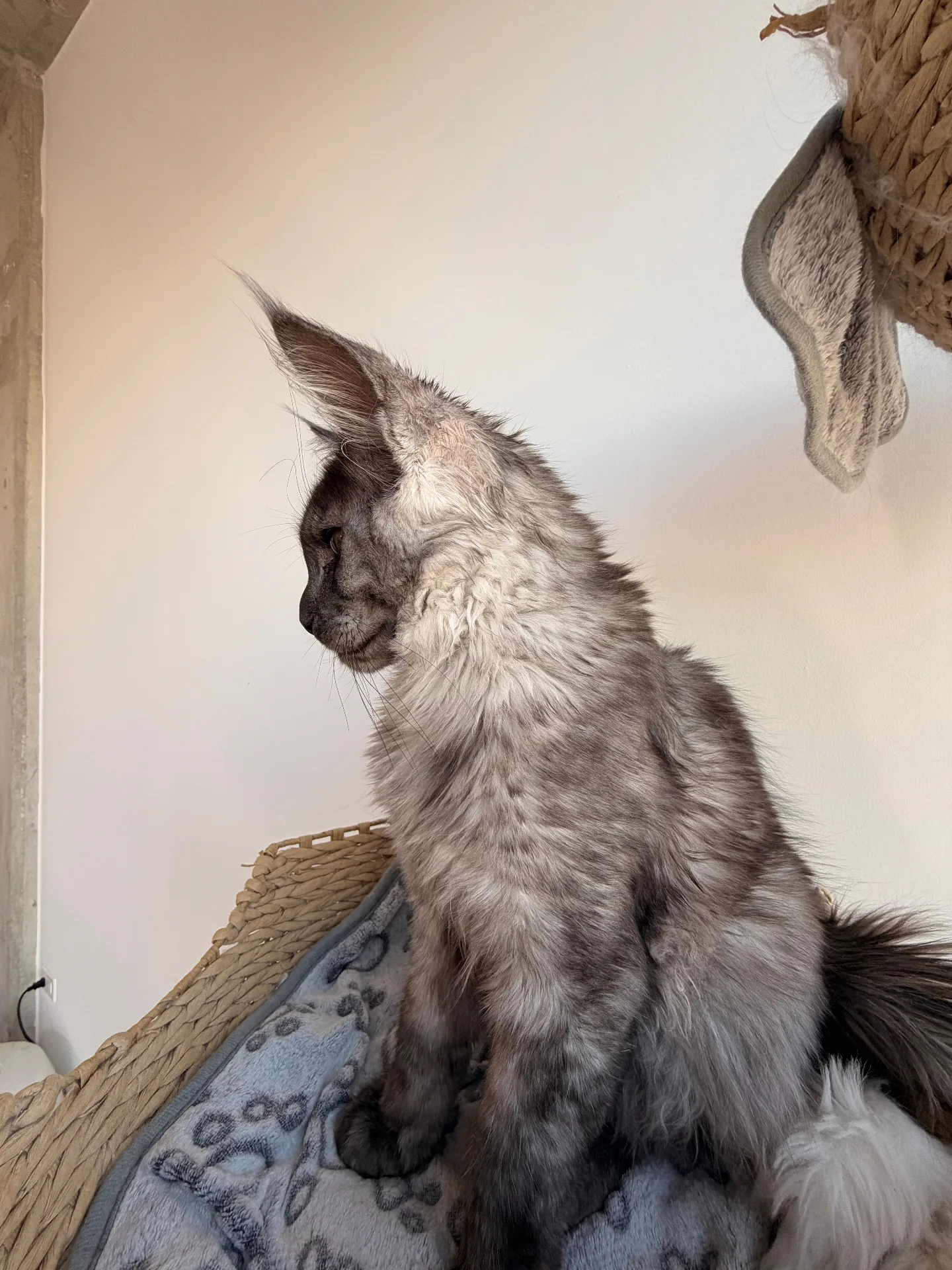
Maine Coon SMA (Spinal Muscular Atrophy): What Every Buyer Needs to Know
Spinal Muscular Atrophy (SMA) is an inherited genetic disease that specifically affects Maine Coon cats. Unlike HCM, which gets most of the attention, SMA is often overlooked by buyers — and unfortunately, by some breeders. Understanding SMA, how it's inherited, and how to verify a breeder tests for it is essential before you bring a Maine Coon kitten home.
In This Article
What Is SMA?
Spinal Muscular Atrophy is a genetic disorder that causes the loss of motor neurons in the spinal cord. These motor neurons control skeletal muscles, so when they deteriorate, affected cats develop progressive muscle weakness and wasting, particularly in the hindquarters.
SMA in Maine Coons is caused by a deletion in the LIX1 gene on chromosome A1. It's an autosomal recessive condition, meaning a cat must inherit two copies of the mutated gene (one from each parent) to be affected.
The good news: SMA is not a death sentence. Unlike SMA in humans, feline SMA typically doesn't significantly reduce lifespan. Affected cats can live relatively normal lives with accommodations. The bad news: it causes progressive physical disability that compromises quality of life, and it's completely preventable through responsible breeding.
Symptoms & Progression
SMA symptoms typically appear between 3-4 months of age. Here's what the progression looks like:
Importantly, SMA does not cause pain. Affected cats don't suffer in the way that many other genetic conditions cause suffering. They adapt to their physical limitations with the determination that Maine Coons are known for. However, their quality of life is diminished, and they require environmental modifications.
How SMA Is Inherited
SMA follows autosomal recessive inheritance:
How Breeders Test for SMA
SMA testing is done through a simple DNA test — either a cheek swab or blood sample sent to a genetic testing laboratory. The most common testing providers include:
At Chatlerie, every breeding cat is tested through Wisdom Panel before they ever enter our program. We maintain N/N (clear) or strategically pair N/SMA carriers only with N/N clear cats, ensuring no affected kittens are ever produced. All test results are available for our families to review.
Testing costs approximately $80-150 per cat. There is absolutely no excuse for a breeder not to test. If a breeder tells you SMA testing is "unnecessary" or "too expensive," that breeder is not someone you should buy from.
What to Ask Your Breeder
Before purchasing a Maine Coon kitten, ask these specific questions about SMA:
A responsible breeder will answer these questions without hesitation and provide documentation. At Chatlerie, we include Wisdom Panel results in every kitten's take-home folder.
Living with an SMA-Affected Cat
If you adopt a Maine Coon who turns out to have SMA (which should not happen with a responsible breeder), here's what to know:
SMA-affected cats can live full lifespans with proper accommodations. They don't know they're "different" — they adapt with remarkable resilience. However, the condition is entirely preventable, and no kitten should have to adapt to it because a breeder chose not to spend $100 on a DNA test.
The Takeaway
SMA is a preventable genetic disease. Responsible breeders test every breeding cat, share results transparently, and never produce affected kittens. Before you buy a Maine Coon, verify SMA testing status alongside HCM, PKD, and FeLV/FIV testing. A breeder who tests for everything is a breeder who prioritizes your kitten's health over their profit margin.