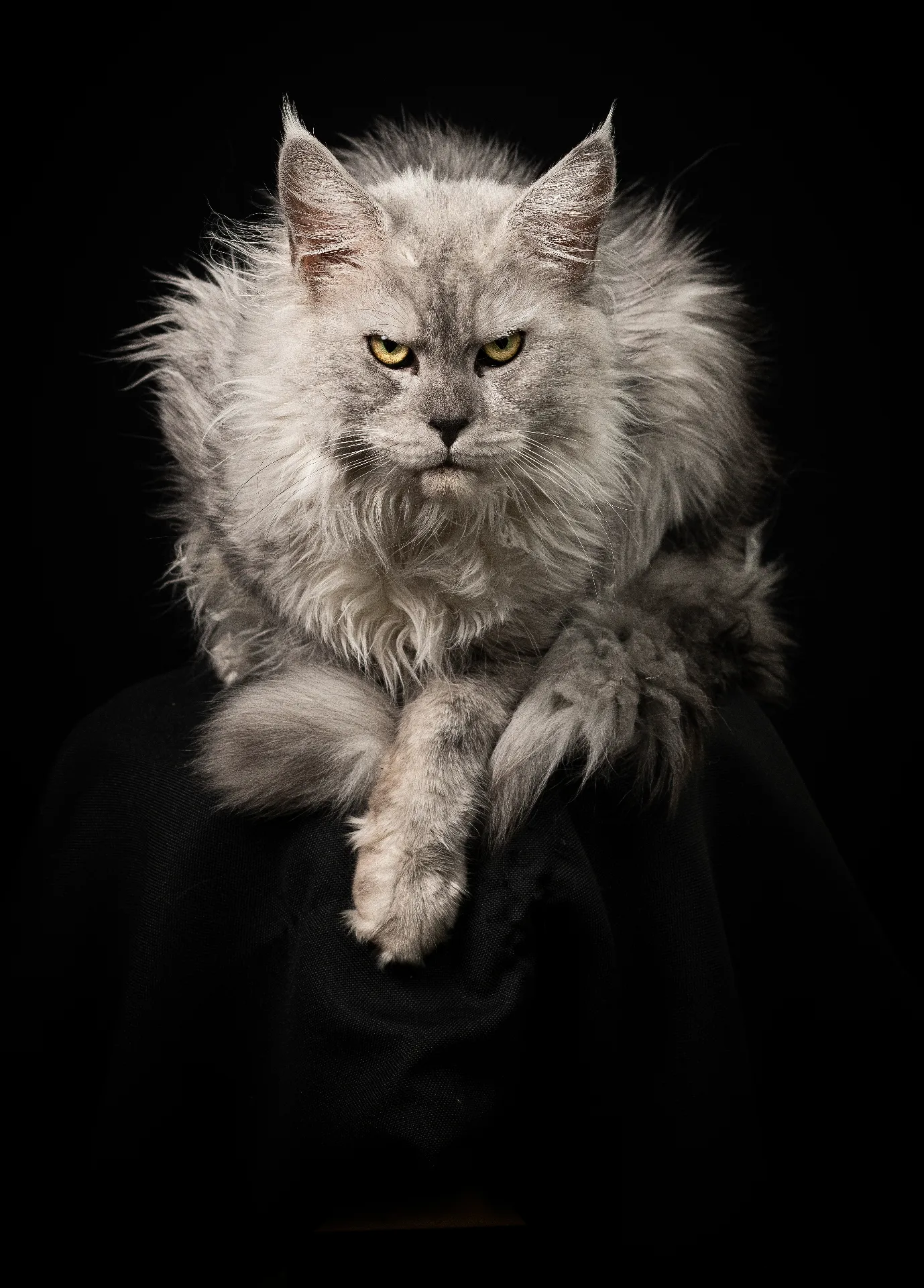
When I started breeding Maine Coons, the first thing that hit me wasn't how big they are — it was how long this commitment is. A Maine Coon kitten leaving my home today could be with their family until 2042. That's not a pet purchase. That's a life chapter. Maine Coons live an average of 12–15 years, and the best ones from health-tested bloodlines regularly reach 16–18. Every breeding decision I make is a longevity decision — and this guide explains what that means for you.
Maine Coon Life Expectancy: The Real Numbers
| Category | Expected Lifespan | Primary Factors |
|---|---|---|
| Average Maine Coon (general population) | 12–15 years | Mixed health testing, variable husbandry |
| Maine Coon from health-tested breeding | 14–17 years | HCM-screened parents, genetic panel testing, responsible breeding |
| Indoor Maine Coon with excellent care | 15–18 years | Indoor lifestyle + proactive vet care + optimal nutrition |
| Outdoor / indoor-outdoor Maine Coon | 10–13 years average | Outdoor risks: cars, predators, disease, trauma |
| Maine Coon with unmanaged HCM | Variable; can be significantly reduced | HCM detected late or unmanaged substantially shortens lifespan |
The Biggest Threat to Maine Coon Longevity: HCM
This is the conversation I have with every single family before they take a kitten home, because it matters that much. Hypertrophic Cardiomyopathy (HCM) — the thickening of the heart muscle wall — is the primary disease-related cause of shortened lifespan in Maine Coons. The breed has a documented genetic predisposition that makes HCM prevalence higher than in most breeds.
Here's what I tell my families: HCM is manageable, not necessarily fatal. A Maine Coon with HCM caught early can live years beyond what an unmonitored cat would. The cats who die young from HCM are almost always the ones where it went undetected — because the breeder never screened, or the family skipped the annual echo.
Why Annual HCM Echos Change the Outcome
Every breeding cat at Chatlerie — Euro, Coco, Angel, Libra, Eddie — gets an annual echocardiogram by a board-certified cardiologist. Not a DNA test. Not a stethoscope check. A full cardiac ultrasound. And I require every Chatlerie family to continue that screening annually from age one. The $200–$400 echo is the single most direct longevity investment you can make for a Maine Coon. I've seen what happens when breeders skip this step, and I won't be that breeder.
Nutrition and Longevity
Diet is the second most impactful longevity variable after genetics and healthcare. Maine Coons fed species-appropriate, high-protein diets with excellent hydration consistently outlive those fed primarily dry kibble.
The Hydration Factor
Chronic mild dehydration is endemic in cats fed dry kibble-heavy diets. Kidneys compensate for years before function begins declining — meaning by the time kidney disease is detectable on bloodwork, significant damage has already occurred. Maine Coons on wet food, raw food, or who drink from a running water fountain have measurably better kidney health in aging studies.
The simple shift: make wet food the majority of the diet from kittenhood and provide a running water fountain. These two changes alone have a meaningful long-term impact on kidney health and lifespan.
Weight Management
Maine Coons are large cats with large appetites. Obesity is common, particularly in neutered males, and it directly reduces lifespan by accelerating joint degeneration, increasing cardiac workload, and predisposing to diabetes. A lean, muscular Maine Coon who you can feel their ribs but not see them is at ideal body condition. An adult male Maine Coon who weighs 25 lbs can be at ideal weight. One who weighs 25 lbs but whose ribs are buried under fat is obese.
Nutrition Principles for Maine Coon Longevity
- Wet food as the dietary majority (75%+ of calories from wet or raw)
- Running water fountain in addition to water bowl
- High-protein, low-carbohydrate profile — cats are obligate carnivores
- No free-feeding of dry kibble in adults (fixed meals prevent obesity)
- Annual bloodwork from age 2 to catch kidney decline early
The Indoor Lifestyle Impact
Indoor-only Maine Coons live significantly longer than indoor-outdoor or outdoor cats. The statistics are stark: indoor cats average 12–18 years; outdoor cats average 2–5 years in urban environments (trauma, cars, predators) and 7–10 in rural areas. The risks for a large, trusting, relatively fearless breed like the Maine Coon are particularly high — they don't have the survival wariness of a feral cat.
The indoor-only objection — "but they'll be bored" — is solved with enrichment, not outdoor access. A well-enriched indoor Maine Coon is mentally healthier and physically safer than an outdoor cat with "freedom." Catio enclosures, leash walking, puzzle feeders, and active daily play provide everything an outdoor environment offers without its risks.
Dental Health: The Underrated Longevity Factor
Periodontal disease is directly linked to heart, kidney, and liver disease in cats through bacterial spread from infected gum tissue. Maine Coons are prone to dental disease — and most cats show signs of periodontal disease by age 3 if not actively managed. Annual professional cleanings under anesthesia, combined with home toothbrushing (achievable in a Maine Coon with early training), dramatically reduce the systemic disease burden over a lifetime.
The Annual Wellness Calendar for Maximum Longevity
| Age | Annual Actions | Why It Matters for Longevity |
|---|---|---|
| Kitten – 1 year | Full vaccine series, spay/neuter, first dental baseline | Foundation of immune health; removes reproductive disease risk |
| Age 1 | First HCM echo, wellness exam, baseline bloodwork | Establishes cardiac baseline; earliest HCM detection point |
| Age 2+ | Annual HCM echo, full wellness exam, annual blood panel | Kidney, thyroid, CBC tracking; HCM monitoring |
| Age 5+ | All above + dental cleaning if not already annual | Periodontal disease becomes significant longevity factor |
| Age 8+ | Semi-annual wellness exams recommended | Early detection of age-related conditions; bloodwork every 6 months |
When someone asks me what I'm really selling, the answer isn't "kittens." It's years. Every health test, every echo, every genetic panel — I'm buying your family more time with a cat they'll love beyond reason. That's the job. — Dawna Marie
Chatlerie kittens start with the best possible genetic foundation for a long life.
Meet Our Available Kittens →