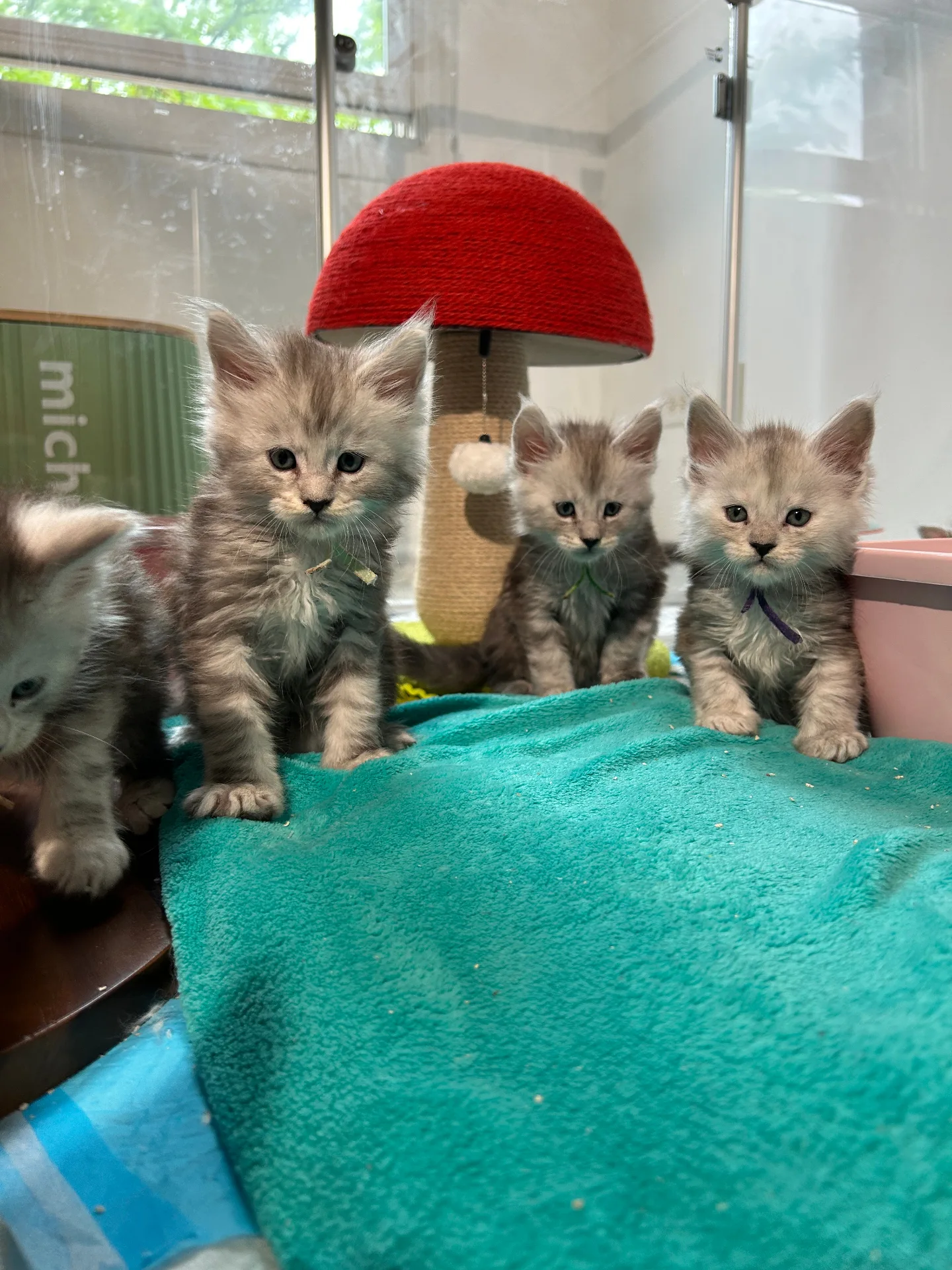
Maine Coon kittens are not like regular kittens. They're bigger, stronger, more curious, and they can reach things you didn't think a cat could reach. I've had families call me in the first week saying "she climbed on top of the refrigerator" — at 14 weeks old. Another family's kitten figured out how to open cabinets within 48 hours. Preparation prevents panic, and proper kitten-proofing prevents tragedy.
Think of kitten-proofing like baby-proofing, but for a baby that can jump six feet vertically and fit through any gap wider than their head. Here's your complete checklist.
Toxic Hazards
These are the dangers that can kill or seriously harm your kitten. Addressing them is non-negotiable.
Toxic Plants
Many common houseplants are dangerous to cats. The most important to remove or secure:
| Plant | Toxicity Level | Effects |
|---|---|---|
| Lilies (all varieties) | FATAL | Kidney failure, death — even pollen is dangerous |
| Sago Palm | FATAL | Liver failure |
| Oleander | FATAL | Heart failure |
| Azalea/Rhododendron | Severe | Vomiting, heart issues, death possible |
| Tulips/Daffodils | Moderate-Severe | GI upset, heart issues (bulbs most toxic) |
| Pothos/Philodendron | Moderate | Oral irritation, swelling, drooling |
| Dieffenbachia | Moderate | Oral irritation, difficulty swallowing |
Safe alternatives: Spider plants, cat grass, Boston ferns, parlor palms, peperomia, calathea. Even with "safe" plants, expect some nibbling.
⚠️ Lily Warning: Critical
All lilies — Easter lilies, tiger lilies, Asiatic lilies, daylilies — are potentially FATAL to cats. Even small exposures (pollen on fur that's licked off, drinking water from the vase) can cause acute kidney failure. Remove ALL lilies from your home and never accept them as gifts. This isn't an overreaction — it's genuinely life-or-death.
Chemical Hazards
- Cleaning products: Store all household cleaners in latched cabinets
- Essential oils: Tea tree, eucalyptus, peppermint, citrus, and many others are toxic to cats. Don't use diffusers around cats.
- Medications: Human medications (especially NSAIDs like ibuprofen) are extremely toxic. Keep all pills in closed containers.
- Rodent poison: Never use in a cat household — secondary poisoning (eating a poisoned mouse) is deadly
- Antifreeze: Tastes sweet, extremely toxic, keep all automotive products secured
- Insecticides: Many are toxic to cats; check all products before use
Toxic Foods
Maine Coons are food-motivated, which means they'll steal food off counters if given the opportunity. Euro has intercepted more sandwiches than I can count. Keep these away:
Foods Toxic to Cats
- Onions and garlic (all forms — raw, cooked, powder)
- Chocolate (especially dark chocolate)
- Grapes and raisins
- Xylitol (found in sugar-free gum, some peanut butters)
- Alcohol
- Coffee and caffeine
- Raw bread dough
- Macadamia nuts
Physical Safety Hazards
Windows and Balconies
Secure ALL windows with screens. Even apartment windows. Even second-story windows. "High-rise syndrome" is real — cats fall from windows chasing birds or bugs, or lose balance while sitting in a windowsill. They don't always land on their feet, and even when they do, the impact causes injury.
If you have a balcony, either keep your cat off it entirely or install cat-safe netting. Maine Coons are larger and heavier than most cats — a jump they think they can make might not go as planned.
Strings, Cords, and Small Objects
Cats love playing with strings. This is extremely dangerous. Ingested strings, ribbons, or cords can cause linear foreign body obstruction — the string anchors somewhere in the GI tract while the intestines try to move it along, causing the intestines to bunch and potentially perforate. This is a surgical emergency that can be fatal.
Items to Secure or Remove
- Blind cords (use cordless blinds or secure cords high)
- Charging cables
- Hair ties and rubber bands
- Ribbon, yarn, string
- Dental floss
- Christmas tinsel (never use in a cat household)
- Small toys that could be swallowed
- Buttons, beads, small craft supplies
Coco's hair tie obsession means I keep every single one locked in a drawer. I've seen the X-rays of cats who needed surgery after swallowing hair ties — it's not worth the risk.
Appliances
Large appliances are major kitten hazards:
- Washers and dryers: ALWAYS check before starting a load. Cats climb into warm dryers and washer drums. This is not a theoretical warning — cats die this way every year. Make it a habit: open, look, close, start.
- Dishwashers: Check before closing. Kittens climb inside exploring.
- Refrigerators: Some cats learn to pull them open. Check before closing.
- Ovens: Keep closed when not in use. Some cats jump up to warm stovetops.
Furniture
⚠️ Recliner Warning
Reclining chairs are one of the most dangerous pieces of furniture for cats, especially kittens. They climb inside the mechanism, hide in the footrest cavity, or get caught when the chair is adjusted. Families have lost cats this way. Either don't use reclining furniture or always check thoroughly before operating the mechanism. Some families choose to remove recliners entirely when they have kittens.
- Sofa beds: Similar danger — check before folding
- Rocking chairs: Can trap paws or tails
- Heavy furniture: Secure bookcases to walls — climbing kittens can topple them
- Gaps behind furniture: Block spaces where a scared kitten could hide and become trapped
Other Physical Hazards
- Toilets: Keep lids down, especially for small kittens who could fall in
- Bathtubs: Drain water immediately; kittens can fall in and not climb out
- Hot surfaces: Candles, space heaters, hot stoves — curious kittens burn themselves
- Fans: Ceiling fans can injure jumping cats; use with caution
- Doors: Install stops to prevent slamming on tails and paws
- Garage doors: Check before closing — cats slip into garages unnoticed
Room-by-Room Checklist
Kitchen
- Child locks on cabinets with chemicals or trash
- Knives and sharp objects secured in drawers
- Stove knob covers if cat could turn them
- No toxic foods accessible on counters
- Trash can with secure lid or in closed cabinet
- Check appliances before operating
Bathroom
- Toilet lid down
- Medications in closed medicine cabinet
- Hair ties and rubber bands secured
- Cleaning products under sink locked
- Trash can with lid
- No standing water in tub
Living Areas
- Toxic plants removed
- Blind cords secured high or cordless
- Candles never left unattended
- Recliners checked before operating
- Small objects and craft supplies stored
- Electric cords hidden or covered
- Bookcases secured to wall
Bedrooms
- Jewelry and small items in closed containers
- Hair ties in drawers
- Check under bed for hazards
- Window screens secure
- Closet doors closed (or check before closing)
The Safe Room Setup
I recommend starting your kitten in one room — their "safe room" — rather than giving immediate access to the whole house. This gives them a manageable space to explore and a home base to retreat to when overwhelmed.
Safe Room Requirements
- Food and water (separated from litter area)
- Litter box (one per floor minimum, plus one extra)
- Bed or blanket (ideally something with familiar scent from breeder)
- Scratching post
- A few safe toys
- Hiding spot (covered bed, box, or carrier)
- No access to large hiding spots you can't reach
A bathroom, spare bedroom, or home office makes an ideal safe room. After 2-3 days of confident exploration in this room, start opening doors to the rest of the house gradually. Every Chatlerie kitten goes home with this protocol in the care guide.
Ongoing Vigilance
Kitten-proofing isn't a one-time task. As your Maine Coon grows, they'll access new areas. At 6 months, they can jump to places they couldn't reach at 12 weeks. Stay vigilant:
- Reassess hazards as your kitten grows
- Holiday decorations (especially Christmas) need extra caution
- Guests may leave medications or hazards accessible
- New purchases (furniture, plants, crafts) should be evaluated
- Monitor what your cat is interested in — they show you what tempts them
Think of kitten-proofing like baby-proofing, but for a baby that can jump six feet vertically and fit through any gap wider than their head.
Key Takeaways
- Remove all lilies — they're fatal to cats, even the pollen
- Check washers and dryers every single time
- Recliners are genuinely dangerous — check before operating or remove them
- Secure strings, cords, and hair ties — ingestion requires surgery
- Start with a safe room, then expand access gradually
- Reassess hazards as your kitten grows and can access new areas