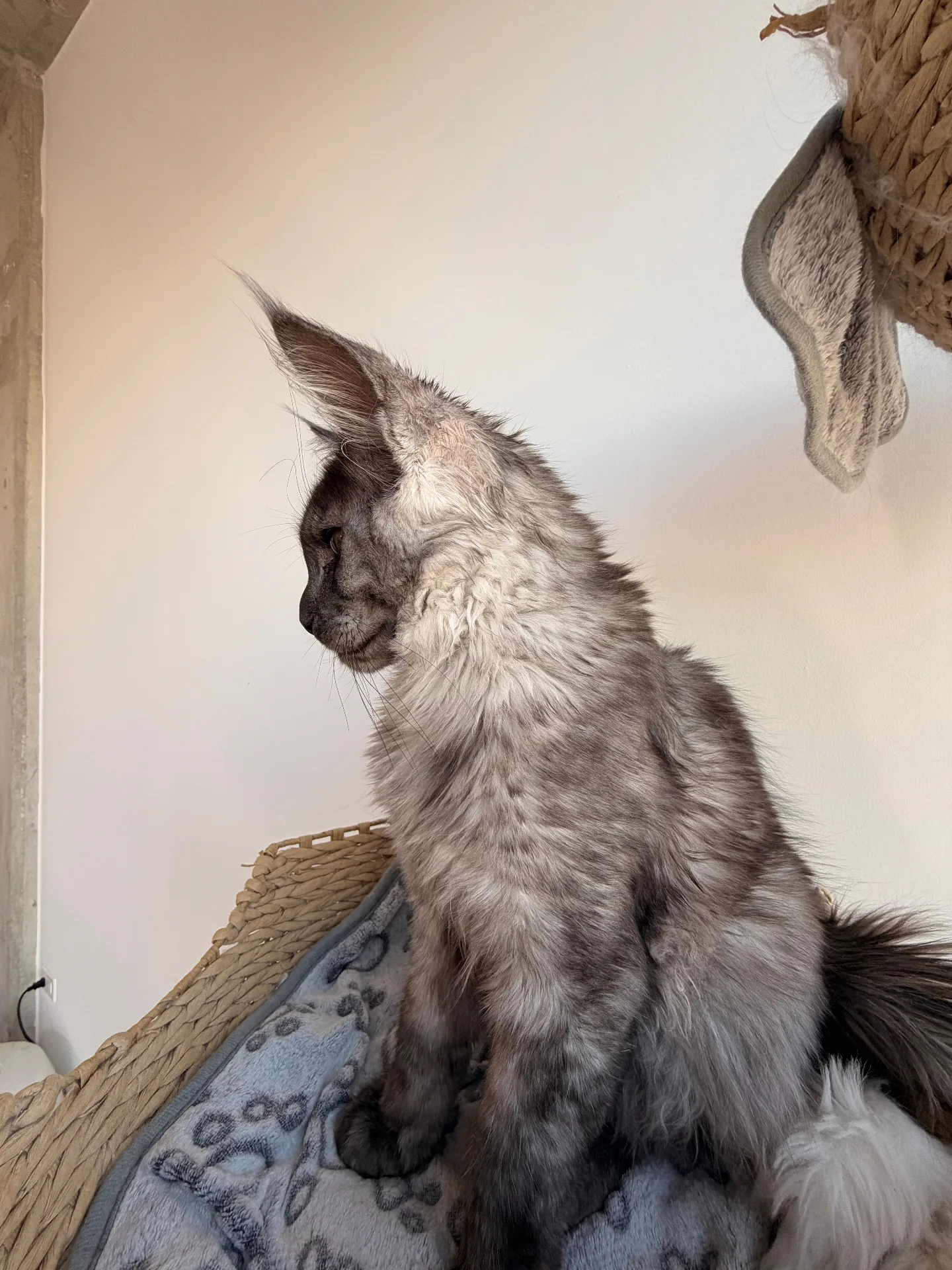
I get this question at least once a week: "I'm allergic to cats but I really want a Maine Coon. Are they hypoallergenic?" The short answer is no. The longer answer is more nuanced — and I'd rather give you real information than false hope, because surrendering a cat due to allergies is heartbreaking for everyone involved.
The Truth About Cat Allergies
Cat allergies are caused by Fel d 1, a protein found in cat saliva, skin secretions, and urine. When cats groom, they spread this protein onto their fur, and it becomes airborne as the saliva dries and flakes off. It's not the fur itself — it's the protein on the fur. This means long-haired cats like Maine Coons aren't inherently worse than short-haired cats, but they aren't better either.
No cat breed is truly hypoallergenic. Some breeds may produce slightly less Fel d 1 — Siberian cats are often cited, and there's legitimate research showing some individual Siberians produce lower levels. But the difference between individual cats within a breed is greater than the average difference between breeds. I've had families visit with mild allergies and react more to Coco than to Euro — same breed, same household, completely different individual allergen levels.
Roughly 10-15% of the world's population is allergic to cats. Of those, severity ranges from mild sneezing to life-threatening asthma. Where you fall on that spectrum determines whether living with a Maine Coon is realistic.
What Actually Helps (Ranked by Effectiveness)
| Strategy | Effectiveness | Cost | Notes |
|---|---|---|---|
| Allergy immunotherapy (shots/drops) | ⭐⭐⭐⭐⭐ | $1,500-$3,000/yr | Only treatment that addresses root cause; takes 3-6 months to show results |
| HEPA air purifiers | ⭐⭐⭐⭐ | $200-$600/unit | Run continuously in bedroom and main living areas |
| Purina LiveClear diet | ⭐⭐⭐⭐ | $40-$60/month | Reduces Fel d 1 in saliva by up to 47% — real research, not marketing |
| Regular cat bathing (every 2-4 weeks) | ⭐⭐⭐ | $10-$20/bath | Maine Coons tolerate baths well; removes surface allergens |
| Cat-free bedroom | ⭐⭐⭐ | Free | 8 hours of reduced exposure; significant symptom reduction |
| Daily antihistamines | ⭐⭐⭐ | $10-$30/month | Manages symptoms, doesn't treat cause; Zyrtec tends to work best for cat allergies |
| HEPA vacuum (weekly) | ⭐⭐ | $200-$500 | Reduces environmental allergen load; must use HEPA filter |
| Allergy wipes on cat | ⭐ | $10-$20/month | Minor effect; better than nothing between baths |
What Doesn't Work
Wiping your cat with wet cloths daily: Minor effect at best. The allergen is replenished within hours of grooming.
"Allergy-free" sprays for furniture: Marketing nonsense. There's no spray that neutralizes Fel d 1 on soft surfaces effectively enough to matter clinically.
Choosing a lighter-colored cat: There's a persistent myth that dark cats produce more allergens. It's completely unfounded — coat color has no relationship to Fel d 1 production.
"Hypoallergenic" breed claims from breeders: If a breeder tells you their cats are hypoallergenic, they're either misinformed or lying. Either way, not someone I'd trust with a $3,000 purchase.
The Multi-Strategy Approach That Actually Works
I've had several families with mild-to-moderate allergies successfully live with Chatlerie cats. Here's what they all do — it's not one magic solution, it's a system:
🏠 The Allergy-Managed Maine Coon Home
- HEPA air purifier in every room where the cat spends time (and the bedroom)
- Cat on Purina LiveClear or similar Fel d 1-reducing diet
- Cat bathed every 2-3 weeks (Maine Coons tolerate this well)
- Bedroom remains cat-free at all times
- HEPA vacuum used on furniture and floors twice weekly
- Washable covers on sofas and cat-frequented furniture
- Hands washed after petting before touching face
- Daily antihistamine during adjustment period (first 3-6 months)
Interestingly, many allergy sufferers report that their symptoms decrease after 6-12 months of continuous exposure. This is essentially natural immunotherapy — the body gradually builds tolerance. It doesn't work for everyone, and severe allergy sufferers shouldn't count on it, but it's a real phenomenon.
Before You Commit: The Visit Test
I welcome allergy-prone families to visit Chatlerie specifically to test their reactions. Here's my recommended protocol:
Visit 1: Spend at least 60 minutes in my home with the cats. Don't take antihistamines beforehand — you need to know your true reaction level. Note what symptoms develop and when. Mild sneezing and itchy eyes that resolve within hours? Manageable. Asthma attack within 20 minutes? A cat may not be right for you right now.
Visit 2 (if visit 1 was manageable): Come back a week later, take an antihistamine 30 minutes before arrival. If symptoms are well-controlled with medication, you have a realistic picture of daily life with a Maine Coon.
It's better to know before you fall in love with a kitten than to surrender a cat six months later because the allergies are unmanageable. That's heartbreaking for everyone — especially the cat, who has bonded with you.
I always tell allergy sufferers: an honest test now prevents a devastating decision later. Come visit. Spend time with the cats. If it's manageable with strategies, we'll make it work. If it's not, I'd rather tell you that than sell you a kitten you'll have to give up.