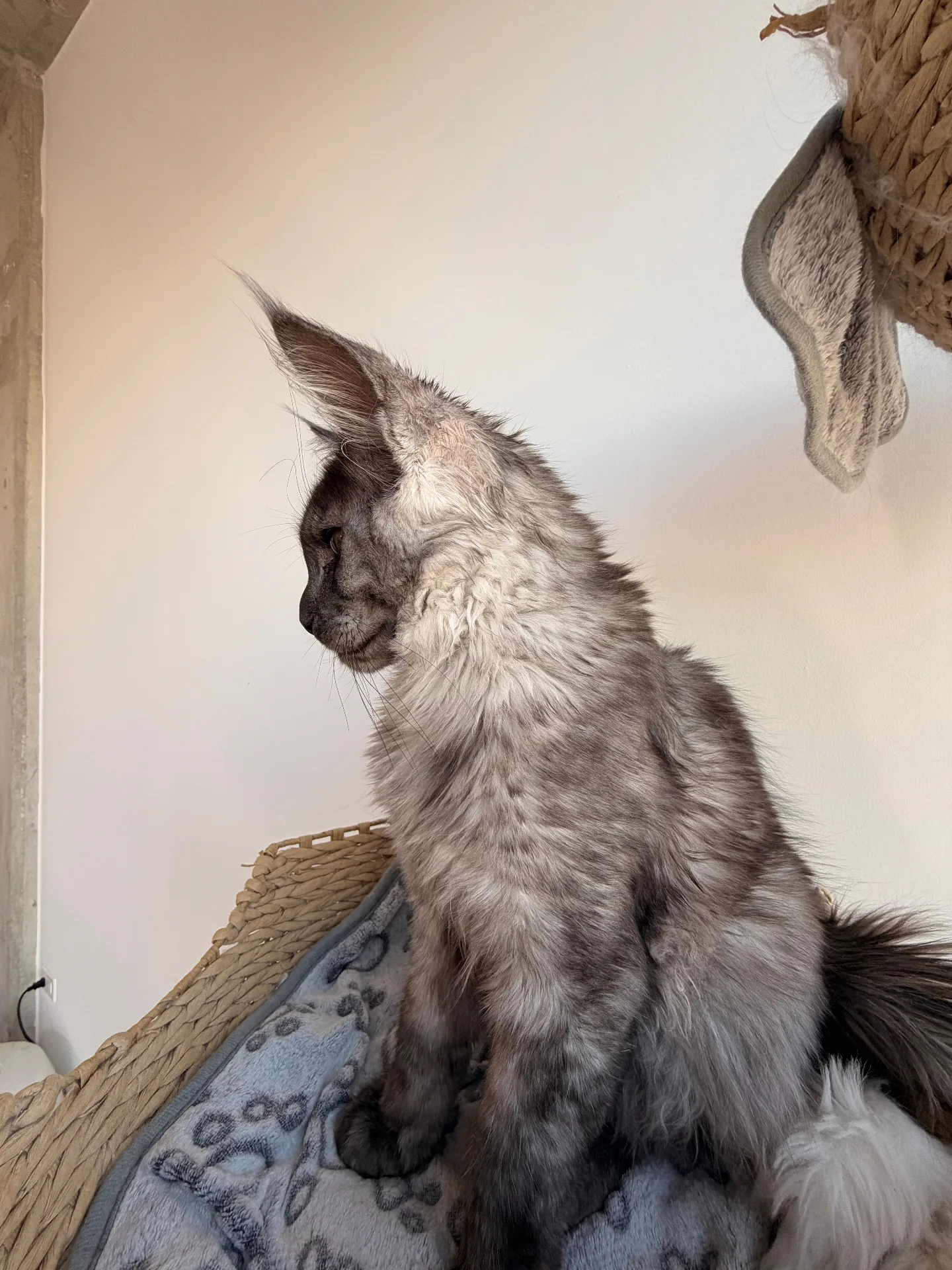
Maine Coons are one of the most travel-friendly cat breeds — their laid-back, adaptable temperament makes them better road trip companions than most cats. But "better than most cats" still requires preparation. And size creates unique challenges: a 20-pound cat doesn't fit in a standard under-seat airline carrier, and even routine vet trips require planning when your cat is the size of a small dog.
I travel with my cats regularly — cat shows, vet appointments, family visits, and relocations. Euro has probably logged more car miles than some family dogs. Here's everything I've learned about traveling safely and comfortably with Maine Coons.
Car Travel
This is the easiest mode of travel with a Maine Coon. You control the environment, can stop when needed, and don't have to worry about airline restrictions. Most Maine Coons adapt surprisingly well to car travel — especially if you start young.
Carrier Selection
You need a carrier large enough for your Maine Coon to stand, turn around, and lie down comfortably. For most adult Maine Coons, this means:
| Cat Size | Minimum Carrier Size | Recommended Carriers |
|---|---|---|
| Kitten (under 6 months) | 18" x 12" x 12" | Sherpa Original Deluxe, Petmate Compass |
| Small Adult (10-15 lbs) | 24" x 16" x 15" | Sleepypod Mobile Pet Bed, Petmate Sky Kennel |
| Large Adult (18-25+ lbs) | 28" x 20" x 19" | Petmate Vari Kennel Ultra, SportPet Pop Crate |
Hard-sided carriers are more secure for car travel — they provide crash protection and won't collapse. Soft-sided carriers work for short trips but offer less protection in an accident.
⚠️ Never Let Your Cat Roam Free in the Car
Even the most chill cat can panic during sudden braking. A loose cat becomes a projectile in an accident and can interfere with driving. Euro once decided to explore the footwell while I was driving — I nearly rear-ended someone. Carriers are non-negotiable.
Pre-Trip Preparation
Car Travel Checklist
- Take short practice drives in the weeks before a long trip
- Withhold food 4-6 hours before to prevent car sickness
- Bring water and a small bowl for stops
- Pack a portable litter box for trips over 4 hours
- Bring familiar bedding with home scents
- Have treats ready for positive reinforcement
- Bring any medications your cat needs
- Pack paper towels and cleaning supplies (accidents happen)
During the Drive
Secure the carrier with a seatbelt — many carriers have seatbelt loops or can be strapped in with the belt through the handle. Position the carrier where your cat can see you but out of direct sunlight.
Most cats settle down after 20-30 minutes of driving. The motion becomes soothing. If your cat is vocal the entire trip, they're probably complaining rather than in distress. Talk to them calmly — your voice is reassuring.
For long drives: Stop every 3-4 hours. Offer water (most cats won't drink much while traveling, but offer it anyway). If your trip is 6+ hours, set up the portable litter box during a break. I keep a collapsible litter pan and a small bag of their regular litter in the trunk for road trips.
Motion Sickness
Some cats get carsick, especially kittens on their first trips. Signs include drooling, vomiting, or distressed vocalization. If your cat is prone to motion sickness:
- Fast for 6-8 hours before travel
- Position the carrier on the floor (less motion than the seat)
- Keep the car cool with good airflow
- Talk to your vet about anti-nausea medication for long trips
- Start with very short trips and gradually increase duration
Air Travel
Here's the challenge: most adult Maine Coons are too large for in-cabin carriers. Airlines typically limit in-cabin pet carriers to approximately 17" x 11" x 7.5" (must fit under the seat). A kitten might fit; an adult Maine Coon almost certainly won't.
In-Cabin Travel (Kittens & Small Cats)
If your Maine Coon can fit in an airline-approved soft-sided carrier, in-cabin is ideal:
In-Cabin Requirements
- Carrier must fit under seat (check your airline's specific dimensions)
- Cat must remain in carrier for entire flight
- Book early — most airlines limit pets to 1-2 per cabin
- Call the airline directly; don't rely on online booking alone
- Pet fees range $95-$200 each way
- Bring health certificate (required within 10 days of travel)
- Check destination state/country requirements
When I fly with a kitten, I choose window seats (more floor space under the seat), book morning flights (fewer delays), and avoid connections. Direct flights reduce stress significantly.
Cargo Travel (Adult Maine Coons)
Temperature-controlled cargo on major airlines is safer than many people fear. Airlines like United, American, and Delta have pet-safe cargo programs with climate-controlled holds. However, it requires more preparation:
| Consideration | In-Cabin | Cargo |
|---|---|---|
| Size limit | ~17"x11"x7.5" | Much larger crates allowed |
| Cat visibility | You can check on them | Not visible during flight |
| Temperature control | Cabin temperature | Climate-controlled hold |
| Booking requirements | Simple addition to ticket | Separate pet shipping process |
| Cost | $95-$200 | $200-$500+ |
| Stress level | Lower (near you) | Higher (alone, more handling) |
Requirements for cargo travel:
- IATA-approved hard-sided crate (must be assembled with screws, not plastic clips)
- Health certificate within 10 days of travel
- "Live Animal" stickers on crate
- Food and water dishes attached inside crate
- Absorbent bedding
- Avoid summer travel when tarmac temperatures can be dangerous
- Direct flights only — never connections
⚠️ Avoid Flying with Snub-Nosed Features
While Maine Coons aren't brachycephalic, any cat with respiratory issues should not fly cargo. The pressure changes and stress can cause breathing difficulties. Consult your vet before booking.
Professional Pet Transport
For long-distance placement, I sometimes work with professional pet transport services. Companies like CitizenShipper, uShip Pet Transport, or dedicated pet transport companies specialize in safe animal transport. They're more expensive ($500-$1500+ depending on distance) but handle all the logistics.
When vetting pet transport services:
- Check USDA-licensed status
- Read reviews from other pet owners
- Ask about vehicle climate control
- Confirm they provide updates during transport
- Verify their insurance coverage
Hotels & Accommodations
More hotels are pet-friendly than ever, but "pet-friendly" often means dogs. Always confirm cat-specific policies before booking.
Finding Cat-Friendly Hotels
Questions to Ask Before Booking
- Do you allow cats specifically (not just "pets")?
- Is there a pet fee? (Usually $25-$75/night)
- Any weight or breed restrictions?
- Can cats be left in the room unattended?
- Are there designated pet relief areas?
- Any pet deposit required?
Hotel chains with generally cat-friendly policies: Kimpton (no pet fees!), La Quinta, Red Roof Inn, Motel 6, and most Marriott brands. Always confirm with the specific property — policies vary by location.
Setting Up the Hotel Room
When you arrive, set up a "base camp" in the bathroom initially. This small, contained space becomes territory the cat can claim as safe before exploring the larger room.
Bring from home:
- Familiar bedding (with home scents)
- Their regular food and water bowls
- Portable litter box with their regular litter
- Feliway spray (pheromone calming spray)
- A few favorite toys
Spray Feliway on the corners of the bed, the carrier, and anywhere you want your cat to feel comfortable. It genuinely helps anxious cats settle faster.
Cat-proof the room: Check for gaps behind furniture where a scared cat could hide. Block the space under the bed if needed. Ensure windows are secure. Put the "Do Not Disturb" sign out — you don't want housekeeping letting your cat escape.
International Travel
International travel with a Maine Coon is significantly more complicated and varies dramatically by destination country.
Requirements May Include:
- Microchip (ISO 15-digit standard)
- Rabies vaccination (timing requirements vary)
- Health certificate endorsed by USDA
- Import permit from destination country
- Quarantine period (some countries require 30-180 days)
- Blood titer tests for rabies antibodies
- Parasite treatments within specific timeframes
Start planning international travel 6+ months in advance. Requirements change frequently — always verify current rules with the destination country's agriculture department. The USDA APHIS website has country-specific requirements for pets traveling from the US.
Maine Coons who were socialized with carrier training as kittens are dramatically better travelers. This is one of many reasons I introduce carriers early — your kitten's first association with a carrier should be "nap spot," not "vet trip."
Managing Travel Anxiety
Some Maine Coons travel like seasoned frequent flyers. Others stress significantly. Here's how to help an anxious traveler:
Natural Calming Methods
- Feliway spray: Synthetic pheromones that signal "safe territory"
- Familiar items: Blanket, toy, or t-shirt that smells like home
- Covering the carrier: Dark, enclosed spaces feel safer to stressed cats
- Calm voice: Talk to them throughout the journey
- Calming treats: Products with L-theanine or chamomile can help
Veterinary Options
For severely anxious cats, talk to your vet about:
- Gabapentin: Commonly prescribed for travel anxiety; given 2-3 hours before travel
- Trazodone: Another option for anxiety that can be combined with gabapentin
- Avoid acepromazine: This older sedative doesn't reduce anxiety, just immobilizes — the cat is scared but can't express it
Test any medication at home before travel day so you know how your cat responds.
Key Takeaways
- Car travel is easiest — invest in a good carrier and practice beforehand
- Most adult Maine Coons are too large for in-cabin airline carriers
- Climate-controlled cargo is safer than most people think
- Always confirm cat-specific pet policies with hotels
- Start travel training young for a lifetime of easy trips
- Plan international travel 6+ months ahead