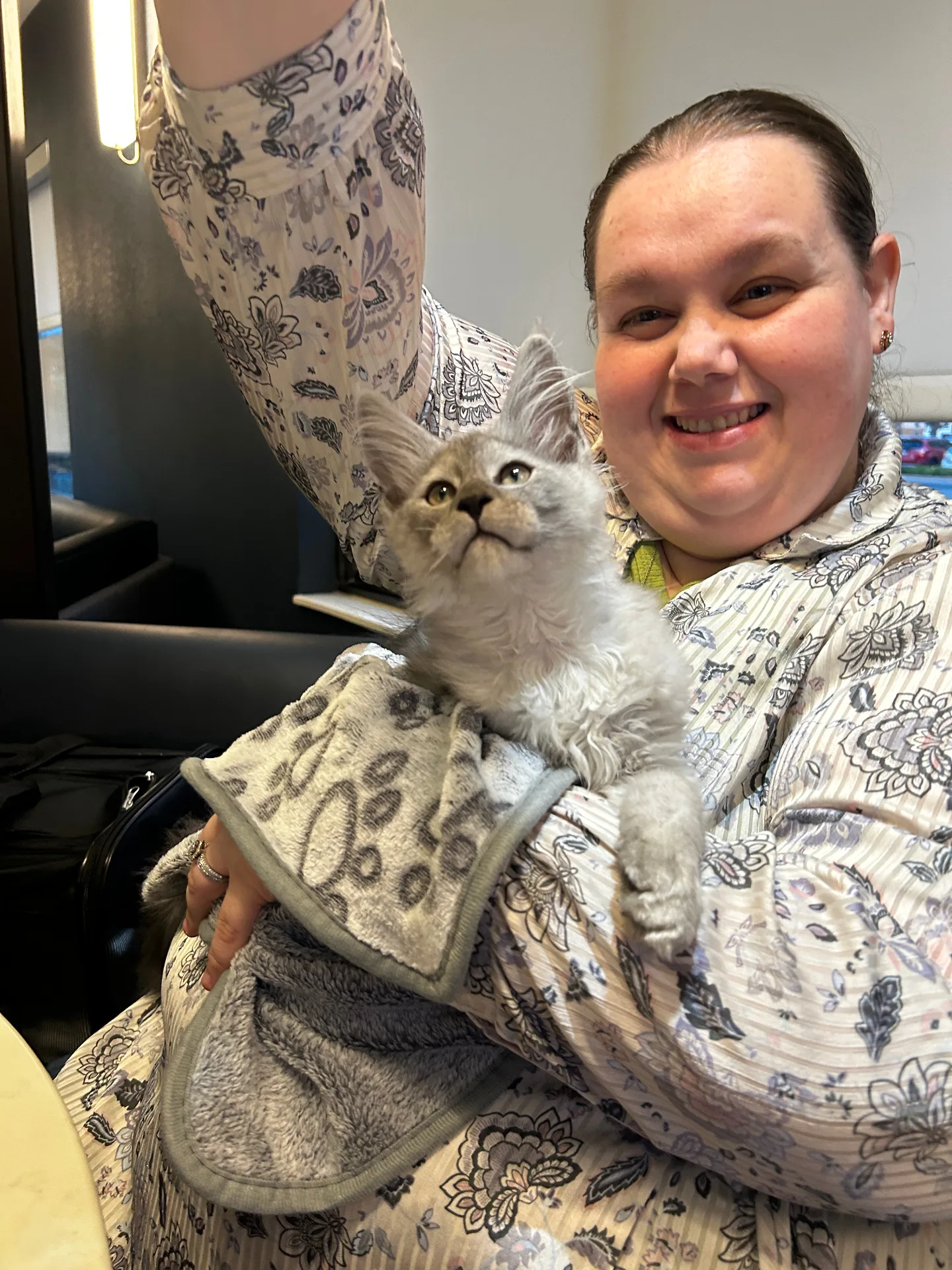
Facebook is the single most common platform for Maine Coon kitten scams. The combination of easy account creation, photo theft, and Marketplace listings creates an environment where scammers thrive and buyers lose thousands of dollars.
How the Scams Work
Stolen photos. Scammers steal photos from legitimate breeders' websites, Instagram accounts, and Facebook pages. They create new profiles or pages using these photos, presenting the kittens as their own. The photos look real because they ARE real — they're just stolen from someone else's cattery.
Too-good-to-be-true pricing. Legitimate Maine Coon kittens from health-tested parents cost $2,000–$3,000+. Facebook scammers advertise at $500–$1,000 — low enough to seem like a deal, high enough to not seem suspicious. If you see a "purebred Maine Coon kitten" for under $1,500, your skepticism sensors should be screaming.
Urgency pressure. "This kitten needs a home THIS WEEK." "I'm relocating and can't take them." "Price reduced because I need them gone fast." These narratives create pressure to send money before you've had time to verify anything.
Shipping scams. After you send the deposit, the "breeder" says shipping costs extra. Then there's an insurance fee. Then a crate fee. Then a veterinary clearance fee. Each request is small enough to seem reasonable, but they add up — and no kitten ever arrives.
Red Flags on Facebook
🚨 Walk Away If You See These
- • Profile created recently (check the "About" section for account creation date)
- • No history of cat-related posts before the listing
- • Stock-photo-quality images that look too professional for a home breeder
- • Refuses video calls — "my camera doesn't work" or "I'm too busy"
- • Accepts only Cash App, Zelle, Bitcoin, or wire transfer — never PayPal Goods & Services
- • No website, no TICA registration, no verifiable references
- • Multiple breeds "available" simultaneously
- • Perfect grammar in listing but broken English in messages (or vice versa)
- • Will ship anywhere with no questions about your home or experience
How to Verify a Real Breeder
Verification Checklist
- Reverse image search the kitten photos (Google Images or TinEye)
- Ask for a video call with the kitten — live, not pre-recorded
- Request TICA or CFA registration number and verify it on their website
- Look for a professional website with consistent branding
- Ask for references from previous buyers
- Check if the breeder has a presence on TICA's breeder directory
- Look for consistent posting history over months/years, not days
- Real breeders ask YOU questions — scammers just want your money
A real breeder will never pressure you to send money quickly. A real breeder will interview YOU as thoroughly as you interview them. If the "breeder" asks for your money before asking about your home, your experience, or your lifestyle — they're not a breeder.
If You've Been Scammed
Report the profile to Facebook, file a complaint with the FTC (reportfraud.ftc.gov), contact your bank or payment app for potential reversal, and report to your local police. Document everything — screenshots of conversations, payment receipts, and the scammer's profile information.
We hear from scam victims regularly. The emotional toll is real — it's not just money lost, it's the excitement and anticipation that was stolen. If you've been scammed, know that it's not your fault. These operations are sophisticated and designed to exploit trust.